

Youth Participation in Politics: Changing the Landscape
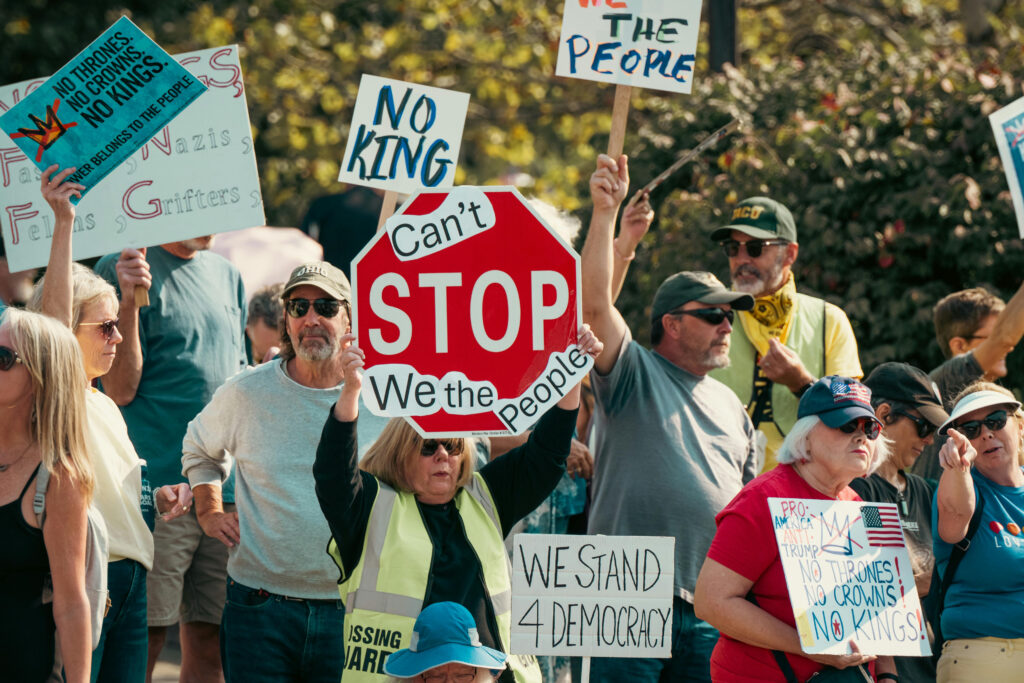
Introduction: The role of youth in politics has never been more prominent. Across the world, young voters are using their voices to challenge traditional norms, push for policy changes, and reshape political conversations. Unlike previous generations, today’s youth engage not only through voting but also via social media, activism, and grassroots campaigns, making their presence felt both online and offline. Rising Engagement Among Young Voters Youth engagement in politics has increased significantly in recent years. Social media campaigns, political movements, and awareness drives have motivated young people to become active participants in shaping the future. Example: In the 2019 Indian general elections, the youth vote played a decisive role in swaying outcomes in multiple states, highlighting their growing influence. New Platforms for Political Discussion Traditional avenues for political debate, like town halls and newspapers, are being supplemented—or even replaced—by digital platforms. Young people are now engaging in political discourse on Instagram, TikTok, Reddit, and Twitter, where content is interactive, accessible, and shareable. Example: The #FridaysForFuture movement, started by Greta Thunberg, gained momentum globally through social media, mobilizing millions of young people for climate action. Impact on Policy and Governance Youth participation isn’t just about making noise—it’s influencing real-world policies. Politicians are increasingly attentive to youth concerns, from climate change and mental health to education reform and digital rights. Example: In several countries, youth-led advocacy influenced major environmental policies, from reducing plastic usage to implementing renewable energy initiatives. Challenges and Opportunities Despite the enthusiasm, youth participation faces challenges such as voter apathy, misinformation, and political intimidation. However, technology and social media continue to create new opportunities for engagement and awareness. Conclusion: The youth are not just future voters—they are active participants shaping politics today. Their engagement through social media, activism, and policy advocacy is transforming traditional politics. For democracies to thrive, both political leaders and society must recognize and empower this generation’s potential.
How Social Media is Reshaping Political Campaigns
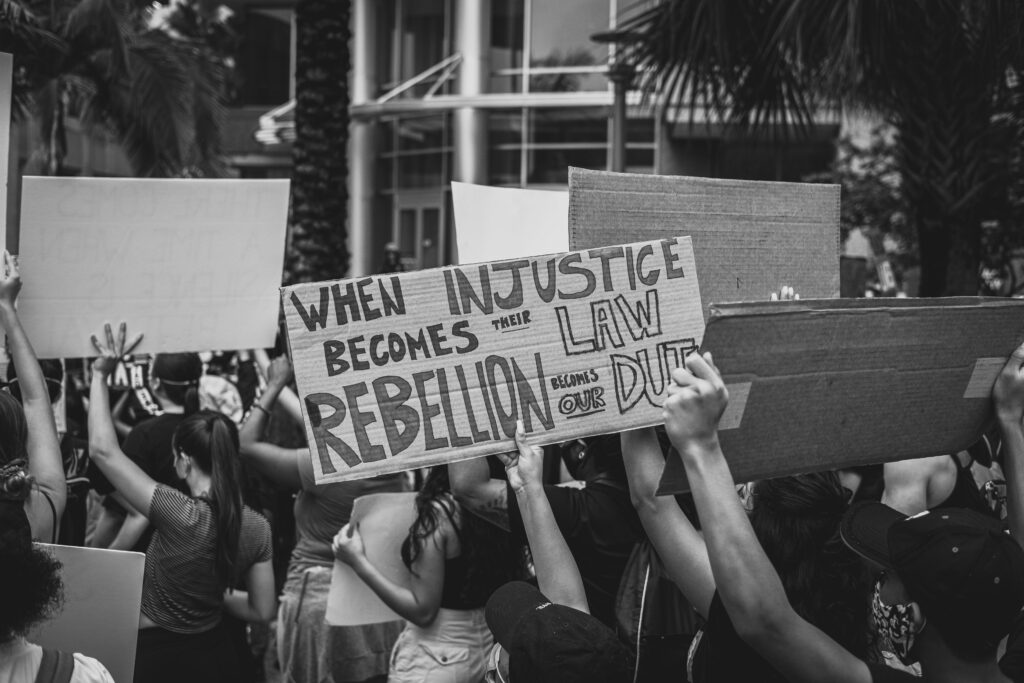
Introduction: In the past, political campaigns revolved around rallies, TV advertisements, and newspaper coverage. Today, the political landscape is drastically different. Social media platforms such as Facebook, Twitter, Instagram, and TikTok have become powerful tools that politicians use to reach voters instantly, influence public opinion, and even shape the outcome of elections. The digital age has not only changed the methods of campaigning but has also redefined how voters interact with political leaders. The Power of Digital Outreach Social media allows political campaigns to reach millions of people in real time. Unlike traditional media, which requires significant funding and logistics, social media platforms provide a cost-effective way to broadcast messages, videos, and updates. Political parties can share announcements, policy statements, and live videos to engage directly with voters. Example: During the 2020 U.S. presidential elections, both major parties used targeted social media campaigns to mobilize voters, especially among younger demographics who are highly active online. Microtargeting and Personalized Messaging One of the biggest advantages of social media in politics is the ability to microtarget specific groups. Campaigns use data analytics to understand voter behavior, interests, and concerns, allowing them to tailor messages for maximum impact. Example: Political campaigns in India and the U.S. have successfully used microtargeted ads to engage rural populations or urban youth, increasing voter turnout in critical regions. Risks of Misinformation and Polarization While social media provides opportunities, it also comes with challenges. The rapid spread of information makes it easy for false news, rumors, and propaganda to circulate. This can mislead voters and polarize societies. Example: During several recent elections worldwide, misinformation campaigns on platforms like Facebook and WhatsApp created confusion and controversies that affected voter perception. Engaging the Youth Younger voters are increasingly turning to social media for political information. Campaigns that understand this demographic can create interactive content such as polls, live Q&A sessions, and short videos that explain policies in simple terms. Example: In recent local elections, youth-led online campaigns successfully raised awareness about climate change policies, influencing the political agenda of candidates. Conclusion: Social media has transformed political campaigns from one-way messaging into interactive, data-driven strategies. While it offers unprecedented reach and engagement, it also comes with challenges like misinformation and polarization. Political leaders and voters alike must navigate this digital landscape carefully. Understanding social media is no longer optional—it is essential for modern democracy.